How to Become a Phlebotomist in the US: A Step-by-Step Beginner's Roadmap
LATISHA COLEMAN · September 27, 2026 · 4 min read
If you've ever watched a phlebotomist work and thought, I could do that — you're probably right. Phlebotomy is one of the most accessible entry points into healthcare, and the path from "I'm interested" to "I'm employed" is shorter than most people expect. What you need is a clear map. That's exactly what this post is.
Let's walk through every stage together.
Step 1: Understand What a Phlebotomist Actually Does
Before you invest a dollar or an hour, know what you're signing up for — and I mean that as a compliment to the role.
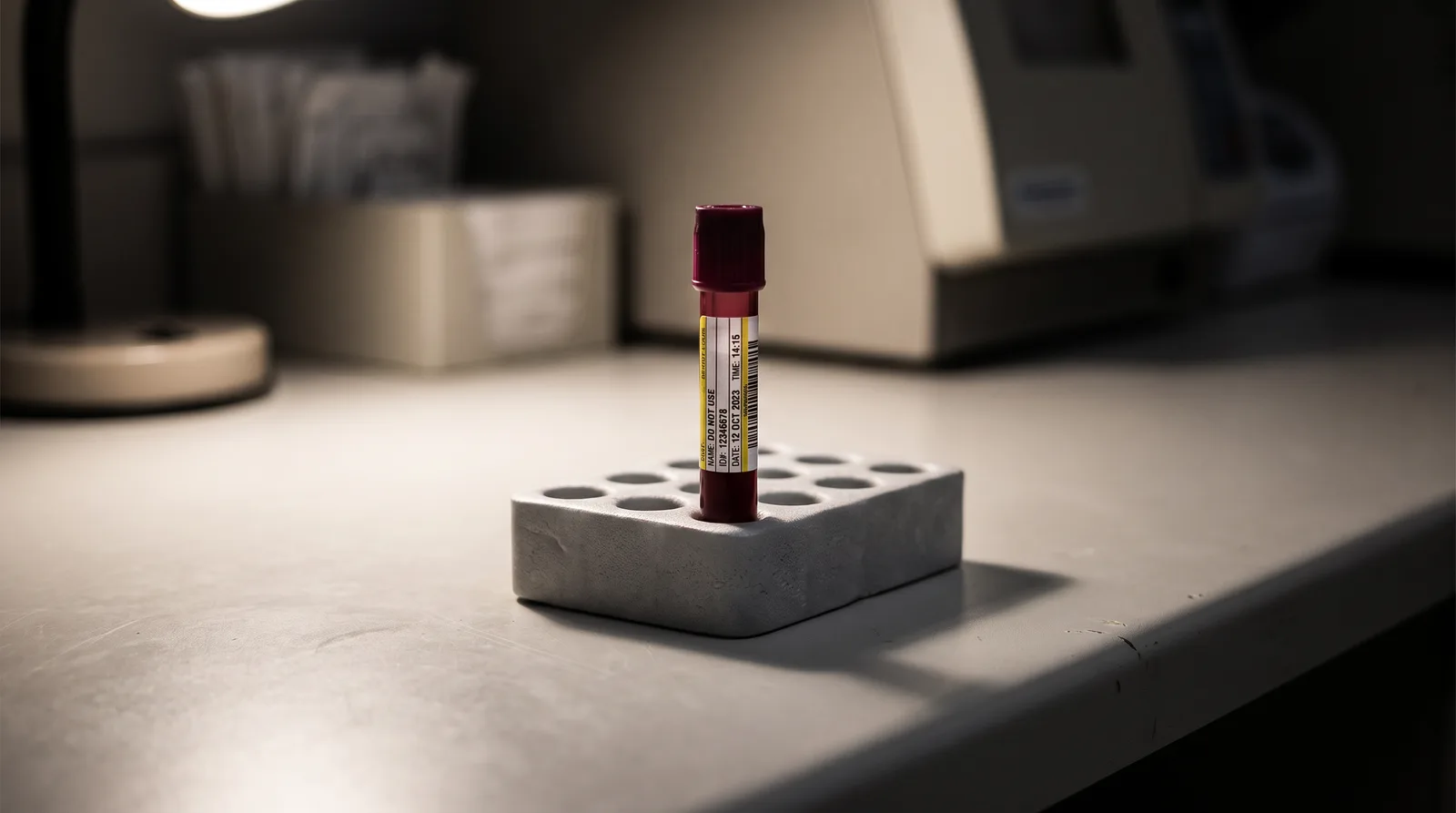
Phlebotomists collect blood specimens from patients for laboratory testing. That sounds simple, but the job carries real weight. You're often the first clinical touch a patient has in a diagnostic process. You need steady hands, yes — but you also need strong communication skills, attention to detail, and the ability to put anxious patients at ease. This is a patient-facing, detail-driven role, and it matters deeply.
Settings where phlebotomists work include hospitals, outpatient clinics, reference laboratories, blood donation centers, and physician offices. The variety is real.
Step 2: Check Your State's Requirements
The US does not have a single federal licensing standard for phlebotomists, which means requirements vary by state. A handful of states — California, Louisiana, Nevada, and Washington among them — require phlebotomists to hold a state-issued license or certification before they can practice. Other states leave it to the employer's discretion.
Your first move: look up your specific state's requirements through your state health department or licensing board website. This tells you exactly what the finish line looks like before you start the race.
Step 3: Complete a Phlebotomy Training Program
A quality training program is the foundation of everything. Here's what a solid program covers:
- Anatomy and physiology relevant to the circulatory system
- Venipuncture techniques — the standard method of drawing from a vein
- Capillary puncture — fingersticks and heelsticks
- Specimen handling, labeling, and processing
- Infection control and safety protocols
- Patient interaction and professional communication
Programs are offered through community colleges, vocational schools, and online healthcare academies. Self-paced online programs work especially well if you're balancing a job or family — you complete the didactic (classroom) portion on your schedule, then fulfill hands-on clinical hours in your area.
Look for programs that are structured around national certification exam content. That alignment matters because your next step is certification.
Step 4: Log Your Clinical Hours
You cannot become a competent phlebotomist without hands-on practice — and most certification bodies require documented venipunctures before you can sit for an exam. The exact number varies by certifying organization, but expect to need anywhere from 100 to 200+ successful draws.
Clinical hours are typically arranged through your training program as externships or practicum placements, or you can sometimes arrange them independently through a local clinic or laboratory. Either way, these hours are where theory becomes muscle memory.
Take them seriously. Ask questions. Every draw is practice for the real job.
Step 5: Earn a National Certification
Certification is your professional credential, and it's what most employers actually look for on a resume. The major certifying bodies in the US include:
- NHA (National Healthcareer Association) — CPT credential
- ASCP (American Society for Clinical Pathology) — PBT(ASCP) credential
- AMT (American Medical Technologists) — RPT credential
- NCCT (National Center for Competency Testing) — NCPT credential
Each has its own eligibility requirements and exam format, so check which one your training program prepares you for — and which one is most recognized by employers in your target market.
Once you pass, you're certified. That credential is yours.
Step 6: Build a Job-Ready Resume and Apply
Entry-level phlebotomy roles are posted constantly — hospitals, urgent care centers, labs, and staffing agencies all hire. When you're building your resume:
- Lead with your certification and the date earned
- List your clinical hours and the setting where you completed them
- Highlight any patient interaction experience, even from non-clinical jobs (customer service counts)
- Keep it clean, one page, and proofread meticulously — healthcare employers notice errors
Apply broadly at first. Your first draw job is about getting in the door, building speed and confidence, and growing your reputation as someone reliable and precise.
Step 7: Keep Growing
Phlebotomy is a career launching pad, not a ceiling. From here, you can move into laboratory science, clinical medical assisting, EKG technology, patient care, or healthcare administration — each of which builds on the clinical foundation you've already established.
The healthcare field rewards people who keep learning. Once you're in, the doors that open are genuinely significant.
The path is real, it's achievable, and it starts with one decision: to begin. If you're ready to take that first step inside a structured, career-focused program built for exactly this kind of journey, I'd love to show you what we've built at Haus of Healthcare.